Best Bidets for Seniors: A Buying Guide That Names the Real Criteria
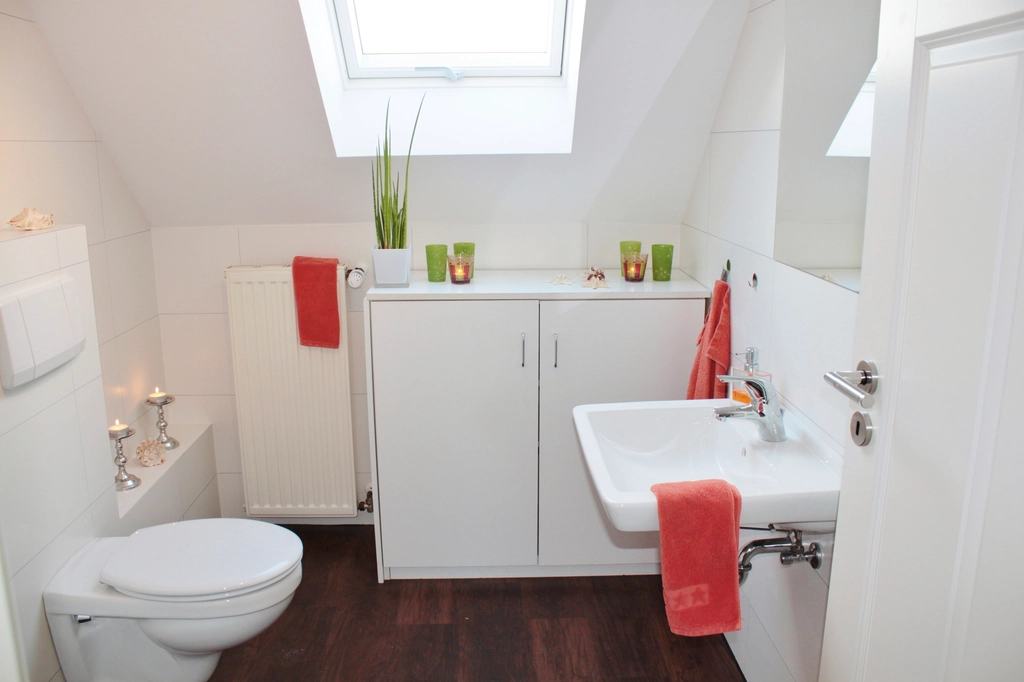
Bidet seats are marketed as a comfort upgrade — heated seats, night lights, deodorisers. Which is a shame, because for a lot of people they are the single piece of equipment that most reduces the need for help with personal care.
That marketing has a practical consequence: the specifications that matter for someone with limited reach or grip barely appear in the sales copy, while the ones that do not appear in bold.
This guide sorts them out.
⚡ The three that actually matter
1. Where the controls are. A side panel you cannot see or a remote you cannot hold makes everything else irrelevant.
2. Whether it dries. Without a dryer you still have to reach, which was the original problem.
3. How thick the seat is. It changes your toilet height, which may be carefully set.
We rank specifications, not model numbers — stock and product names change constantly. Take the specification below to any retailer and it will identify the right products.
The four types 🚿
- Non-electric attachment. Fits under the existing seat, runs off mains water pressure, cold water only. Cheap, needs no power, and the ideal way to find out whether washing suits you before spending more.
- Electric bidet seat. Replaces the seat entirely. Warm water, adjustable pressure and nozzle position, usually a dryer. Needs a power outlet. The right answer for most people who need one.
- Handheld sprayer. A hose beside the toilet. Cheap and flexible — but it needs the grip, aim and reach that a bidet is meant to replace, so it suits far fewer people than its price suggests.
- Integrated bidet toilet. Built in. Tidiest, most expensive, and only worth considering during a full replacement.
It looks like one on a price comparison. But you have to hold it, aim it and reach with it — which are precisely the abilities a bidet exists to substitute for. It suits someone with good arm function who wants flexibility, not someone whose reach is the problem.
Controls: the decisive feature 🎛️
If you take one thing from this guide, take this. The wash quality of most bidet seats is broadly similar. What separates a bidet that works from one that gathers dust is whether the person can operate it.
| Control type | Works for | Problem |
|---|---|---|
| Wireless remote | Most people; can be mounted at any height | Batteries; can be dropped or mislaid |
| Large side panel, front-mounted | Limited dexterity; nothing to hold | Must be on the accessible side |
| Side panel behind the seat | Almost nobody who needs a bidet | Cannot be seen or reached from seated |
| App or phone control | Confident smartphone users | Useless if the phone is elsewhere or flat |
| Touch-sensitive flat panel | Good vision and fine control | No tactile feedback; hard with tremor |
What good controls look like
- Physical buttons that click, not a flat touch surface. Tactile feedback matters with reduced sensation or tremor.
- Large, well-spaced buttons that can be hit without precision.
- Clear symbols and contrast, readable without glasses.
- A big obvious stop button — the most important control on the whole unit.
- A remote that can be wall-mounted at a chosen height, and taken off its bracket.
- Settings that are remembered, so pressure and position do not have to be set each time.
Electric Bidet Seat with Remote and Dryer
Warm water, warm air drying, and controls you can actually reach.
The specification that matters: a wireless remote or a large front-mounted side panel, physical buttons rather than a touch surface, and a warm air dryer — because without drying you still have to reach, which was the original problem. Retrofits to most standard toilets in under an hour with no plumber.
- Controls
- Remote or front side panel
- Buttons
- Physical, large, tactile
- Dryer
- Warm air — essential
- Needs
- Power outlet nearby
- Removes the reaching and twisting that manual cleaning requires
- The dryer completes it — washing alone still leaves the reach
- Fits existing toilets — no plumber, under an hour
- Check seat thickness if your toilet height is carefully set
🔌 Confirm a power outlet within reach of the toilet before ordering. As an Amazon Associate we may earn from qualifying purchases at no extra cost to you.
Why the dryer matters 💨
Frequently treated as a luxury add-on. For the audience this article is written for, it is closer to the point of the whole exercise.
A bidet without a dryer washes — and then you still have to reach round and dry. If reaching was the difficulty, you have solved half the problem and left the half that was hardest.
- Adjustable temperature, because a fixed hot setting is uncomfortable and a fixed cool one does not work.
- Long enough run time, or one that can be extended without repeated presses.
- An oscillating nozzle during the wash, which reduces how much drying is needed in the first place.
Dryers are slower than a towel — typically a minute or two. That is the honest trade-off, and for most people it is a very good one.
Seat thickness and your toilet height 📏
An electric bidet seat is thicker than a standard one — often by around an inch. Nobody mentions it, and it matters in two situations.
- If you use a wheelchair and have matched your toilet to your cushion height, an extra inch turns a level transfer into a slight climb. Adjust any riser to compensate.
- If you already use a raised seat, check the two are compatible — many bidet seats will not fit over a riser, and the combined height may overshoot.
- If standing up is the difficulty, the extra inch is usually a small bonus rather than a problem.
Note your current floor-to-seat-top height before ordering, and check the bidet seat’s stated thickness. If you have spent time getting the height right, an unannounced inch will undo it — and it is far easier to plan for than to discover.
The full specification 📋
- Controls: remote or front side panel, physical buttons, large and well spaced.
- Warm water, adjustable temperature, from a tank or on demand.
- Adjustable pressure, with a genuinely gentle low setting.
- Adjustable nozzle position, not just pressure — this is what makes it work for different bodies.
- Warm air dryer, adjustable.
- Self-cleaning nozzle, which reduces maintenance you would otherwise have to reach for.
- Soft-close lid that does not slam.
- Safety sensor so it only operates when someone is seated.
- Remembered settings, so nothing has to be reconfigured each use.
- A clear, large stop control.
Features you can ignore 🙅
- Heated seat. Pleasant, irrelevant to function, and adds cost and running expense.
- Night light. A motion-sensor light on the wall does far more for safety.
- Deodoriser. Marginal in practice.
- App control. Adds a failure point — a flat phone in another room is not a control system.
- Music or ambient sound. Genuinely offered, genuinely irrelevant.
- Multiple user profiles, unless two people with different needs really do share the toilet.
These are what the marketing leads with, because they photograph well. None of them affect whether someone can use the toilet independently.
Will it fit, and can you install it? 🔧
- Bowl shape: round or elongated. Buying the wrong one is the most common ordering error.
- Mounting hole spacing on your existing seat.
- A power outlet within reach of the toilet — the single most common blocker. It must be a proper bathroom-rated outlet.
- Water supply access: most connect to the existing fill valve with the fittings supplied.
- Space behind the toilet for the unit body.
- Current seat height, so you can allow for the extra thickness.
Installation is genuinely straightforward — usually under an hour with basic tools, and no plumber. The outlet is the part to sort out first, and if any electrical work is happening in the bathroom for other reasons, run one whether or not you have decided to buy.
Comparing the types 📊
| Type | Warm water | Dryer | Needs power | Cost | Best for |
|---|---|---|---|---|---|
| Non-electric attachment | No | No | No | $ | Trying it; rentals; no outlet |
| Electric seat | Yes | Yes | Yes | $$$ | Most people who need one |
| Handheld sprayer | Sometimes | No | No | $$ | Good arm function only |
| Integrated toilet | Yes | Yes | Yes | $$$$$ | Full replacement |
The non-electric attachment deserves more attention than it gets. It costs very little, fits in twenty minutes, needs no power, and answers the question “will washing actually suit me?” before anyone commits to the electric version. For anyone unsure, it is the sensible first purchase.
Living with it: the first month 📆
Bidets have an adjustment period that nobody mentions, and it is the reason a proportion of them end up unused. Almost every early complaint has a settings fix.
| Early complaint | What is usually happening | Fix |
|---|---|---|
| “It’s too strong” | Factory default is set high | Drop to the lowest pressure and build up |
| “It’s in the wrong place” | Nozzle position never adjusted | Adjust position, not just pressure, then save it |
| “The water is cold at first” | Tank models purge the cool line | Normal; a couple of seconds |
| “Drying takes forever” | It does — a minute or two | Pat dry after, or accept the trade |
| “It runs out of warm water” | Tank model, tank exhausted | Shorter washes, or an on-demand heater model |
| “I can’t find the remote” | Left loose rather than mounted | Wall-mount the bracket within easy reach |
The first two account for most abandoned bidets. Set the pressure to its lowest setting before the first use — an unexpectedly forceful first experience puts people off in a way that is hard to undo, particularly if they were reluctant to begin with.
Give it two weeks before judging it, and spend ten minutes early on setting nozzle position, pressure and water temperature properly and saving them. Most people who persist past the first week keep using it permanently.
Upkeep and running costs 🔧
Low, but not zero — and worth knowing before you buy rather than after.
- Self-cleaning nozzles rinse themselves before and after each use. This is the feature that keeps maintenance to something you do not have to reach for, which matters a great deal here.
- A removable nozzle can be cleaned properly every few months. Worth having.
- Some models take a water filter, which needs occasional replacement — check whether yours does before assuming it does not.
- Electricity use is modest, but a heated seat left on adds to it continuously. Another reason to skip that feature.
- Descaling matters in hard water areas. Follow the manufacturer’s method rather than improvising with household products.
- A quick-release seat lifts off so you can clean the pan underneath, which is otherwise awkward with a bidet fitted.
If the person using it cannot manage the cleaning themselves, self-cleaning and quick-release are not conveniences — they are what stop the bidet becoming another task somebody else has to do.
Common mistakes (with fixes) 🔍
A side panel mounted toward the wall, or behind the seat, cannot be seen or reached — and the bidet goes unused.
The fix: a wireless remote, or confirm the panel is front-mounted on the accessible side. Check the photographs, not the description.
Washing without drying leaves the reach that was the original difficulty.
The fix: if reach is the problem, the dryer is not optional.
The most common blocker, and it is discovered after the seat arrives.
The fix: check for a bathroom-rated outlet within reach before ordering. If not, buy the non-electric attachment instead.
An inch of extra seat undoes a toilet height that was carefully matched to a wheelchair cushion.
The fix: note your current height, check the stated thickness, and adjust any riser to compensate.
It requires the grip, aim and reach that the bidet was supposed to replace.
The fix: if reach is the problem, a fixed bidet is the answer. Sprayers suit good arm function.
Heated seats and night lights lead the marketing; controls and dryers barely appear.
The fix: ignore the comfort list entirely and buy on controls, dryer and nozzle adjustment.
Pro tips 💡
- Try the cheap attachment first if you are unsure. It answers the fundamental question for very little money.
- Run a bathroom outlet during any electrical work, even if a bidet is not on the plan. It costs almost nothing then and a great deal later.
- Mount the remote on the wall at a height that suits the user, rather than leaving it loose to be dropped.
- Set the pressure low to start. First experiences at a high setting put people off permanently.
- Set and save the position once, so nothing has to be adjusted each time.
- Check bowl shape before ordering — round versus elongated is the most common return.
- If someone is reluctant, frame it as plumbing rather than medical equipment. It is a fixture, not a concession.
What this looks like in real life 🏡
“The panel faced the wall”
A well-reviewed seat with the control panel on the side that ended up against the wall. He could not see it or reach it, and it went unused for months before anyone worked out why. A remote-controlled model replaced it. The wash was never the problem; the interface was.
“We forgot the drying”
A bidet seat without a dryer, chosen on price. It washed perfectly and she still had to reach round afterwards — which was exactly the movement she could not manage. The second purchase, with a dryer, was the one that changed things.
“An inch undid the whole setup”
A toilet carefully matched to a wheelchair cushion, then a bidet seat added that raised it by an inch. Transfers that had been level became a small climb, and nobody connected the two for weeks. Reducing the riser by an inch restored it. Seat thickness is a real specification, not a detail.
Frequently asked questions ❓
What is the best bidet for an elderly person?
An electric bidet seat with a wireless remote or a large front-mounted side panel, physical buttons rather than a touch surface, adjustable nozzle position, and a warm air dryer. The controls and the dryer are what decide whether it gets used — the wash quality of most units is broadly similar.
Do I need the dryer?
If reaching is the difficulty, yes. A bidet that washes but does not dry leaves you having to reach round afterwards, which is the half of the problem that was hardest. It is frequently sold as a luxury add-on and it is closer to being the point of the whole thing.
Do bidet seats need a plumber?
Usually not. Most connect to the existing toilet fill valve with the fittings supplied and take under an hour with basic tools. What they do need is a bathroom-rated power outlet within reach of the toilet — that is the most common blocker, and it is worth checking before ordering.
What if there is no power outlet?
Buy a non-electric attachment. It fits under the existing seat, runs off mains water pressure, and costs very little — cold water only and no dryer, but it removes most of the reaching. It is also the sensible way to find out whether washing suits you before committing to an electric seat.
Will a bidet seat change my toilet height?
Yes, usually by around an inch. That matters if you use a wheelchair and have matched your toilet to your cushion height, because an extra inch turns a level transfer into a slight climb — adjust any riser to compensate. If standing up is your difficulty, the extra height is usually a small bonus.
Is a handheld sprayer a cheaper alternative?
Not for the people this guide is written for. A sprayer has to be held, aimed and reached with — precisely the abilities a bidet substitutes for. It suits someone with good arm function who wants flexibility. If reach or grip is the problem, a fixed bidet seat is the answer.
Buying checklist ✅
Before you order
- Bathroom-rated power outlet within reach of the toilet
- Controls confirmed as remote or front side panel
- Physical buttons, not a flat touch surface
- Large clear stop control
- Warm air dryer included
- Adjustable nozzle position, not just pressure
- Gentle low pressure setting available
- Settings remembered between uses
- Bowl shape confirmed — round or elongated
- Mounting hole spacing checked
- Current floor-to-seat height noted
- Seat thickness checked against that height
- Compatibility with any existing riser confirmed
- Comfort features deliberately ignored
The bottom line
Buy on three things and ignore the rest: controls you can reach and operate, a warm air dryer, and a nozzle position you can adjust. Heated seats, night lights and deodorisers lead the marketing and change nothing about whether someone can manage independently.
Check for a power outlet before anything else, note your current toilet height so the extra inch does not surprise you, and if you are unsure whether washing will suit, spend a little on a non-electric attachment first. Of everything on this site, this is the product most likely to give someone back a part of their day they had handed over.
Keep reading: Toilet Aids for Independence · Accessible Bathrooms: The Complete Guide · Best Toilets for Wheelchair Users · How to Make a Bathroom Accessible Without Renovating · How to Help Someone Use the Toilet
We rank specifications rather than specific models, because stock and product lines change constantly. Confirm bowl shape, seat thickness and control layout against the actual product before ordering.