Bathroom Lighting and Night Safety: The Cheapest Fall Prevention There Is
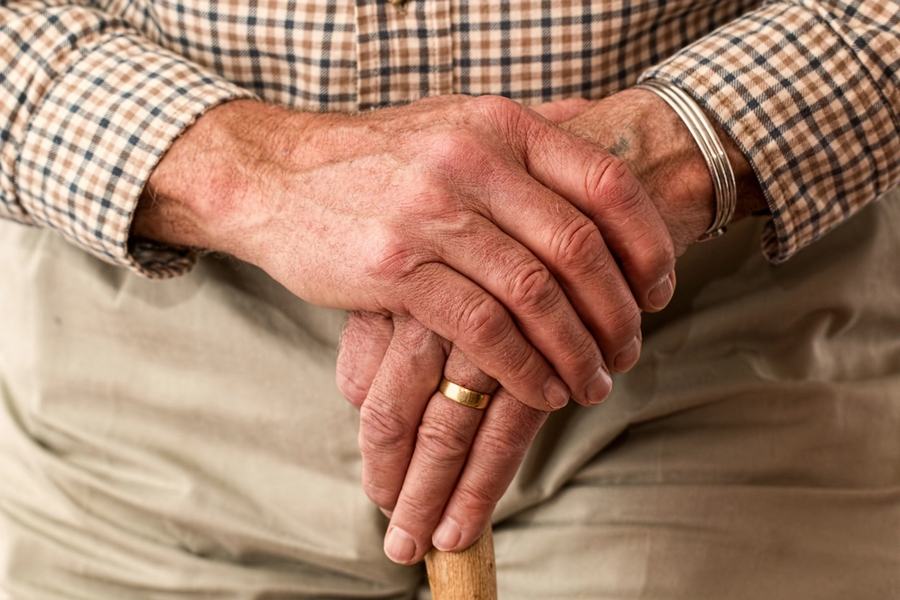
Think about the conditions of a 3am bathroom trip. Half asleep. Possibly medicated. Blood pressure dropping because you stood up quickly. In the dark, in a hurry, on a route you are navigating from memory.
Then compare that with the daytime version of the same journey, and it becomes clear why so many falls happen at night. It is the same route under completely different conditions.
Lighting addresses most of what makes it dangerous, and it is among the cheapest interventions available anywhere in the house.
⚡ The short answer
Light the whole route, not just the bathroom. Bed to door to hallway to bathroom.
Use motion sensors so nothing has to be found or switched on.
Keep it warm and dim at night. Bright white light at 3am destroys night vision and wakes you fully.
Why the night trip is different 🌙
Six things stack up at once, and each one on its own would be manageable.
- Reduced alertness. Reaction time and judgment are both worse when half asleep.
- Blood pressure drops on standing, which produces the dizziness people describe as “I just went over”. It is extremely common and frequently treatable.
- Medication effects. Sedatives, sleeping tablets and some painkillers affect balance for hours.
- Poor vision in low light, which declines with age far more than daytime vision does.
- Urgency. A hurried trip is a rushed trip, and rushing is a risk factor on its own.
- Nobody watching. If something goes wrong at 3am it may be hours before anyone knows.
Lighting does not fix all six. It fixes the ones about seeing, and it removes the fumbling that makes the others worse.
Light the route, not the room 🛤️
This is the mistake almost everyone makes. A light in the bathroom does nothing for the part of the journey that happens before you get there — and getting there is where a lot of falls occur.
- Beside the bed. Something that comes on as feet reach the floor, so standing up happens in light rather than dark.
- The bedroom floor between bed and door — the stretch where slippers, cables and furniture legs live.
- The doorway and threshold. Door frames and thresholds are common trip points.
- The hallway, along its whole length rather than one pool of light in the middle.
- The bathroom doorway, so the room is lit before entering rather than after.
- Inside the bathroom, including the area around the toilet.
Think of it as a lit path rather than a series of lit rooms. The dark gaps between pools of light are worse than uniform low light, because eyes cannot adapt fast enough moving between them.
What each position has to do 📍
Each point on the route has a different job, and getting the job right matters more than the fitting you buy.
| Position | Its job | Mount |
|---|---|---|
| Beside the bed | Light the floor before feet reach it | Low, under or beside the bed frame |
| Bedroom floor | Show slippers, cables, furniture legs | Baseboard height, pointed across the floor |
| Doorway / threshold | Mark the frame and any level change | Beside the frame, knee height or lower |
| Hallway | A continuous lit path, no dark gaps | Low, overlapping coverage |
| Bathroom doorway | Light the room before entering it | Just inside, aimed at the floor |
| Beside the toilet | Show the seat and the floor around it | Low, indirect, never at eye level |
| Return journey | Stay on long enough to get back | Check the timeout is generous |
The last row catches people out. Many sensor lights time out after thirty seconds, which is fine going and unhelpful coming back — the hallway goes dark halfway along the return trip. Check the timeout, or choose units that re-trigger reliably on the way back.
Why motion sensors win 👋
The critical advantage is that nothing has to be found. A switch has to be located, reached and operated — usually with one hand while the other steadies you, in the dark, at the exact moment balance is worst.
- No searching. The light is on before the hand would have reached the switch.
- Nothing to remember, which matters where memory is affected.
- Hands stay free for balance, or for a walking aid.
- They turn themselves off, so nothing is left burning.
- Battery versions stick on with adhesive pads — no wiring, no electrician, no permission needed.
Stick-on motion lights need no wiring and no landlord’s permission, cost very little each, and can be repositioned freely while you work out where they are actually needed. Start there. Hard-wired versions can come later once you know the right positions.
Brightness and color at night 🔆
Counter-intuitively, brighter is not better at 3am. A bright white bathroom light does three unhelpful things: it destroys the night vision you had, it wakes you fully so getting back to sleep is harder, and the contrast makes the route back darker than it was.
- Warm color temperature at night — the amber end rather than daylight white.
- Low output. Enough to see edges, obstacles and the toilet; not enough to dazzle.
- Indirect where possible — light pointed at a floor or a wall rather than at eye level.
- Consistent along the route, so eyes are not adapting repeatedly.
- A separate night mode if the fitting offers one — full brightness by day, low warm light after dark.
Floor-level lighting is particularly effective. It shows the surface people actually need to see, throws obstacles into relief, and never shines into the eyes.
Daytime lighting matters too ☀️
Night gets the attention, but a poorly lit bathroom is harder to use at any hour — and aging eyes need considerably more light than younger ones to see the same detail.
- Even light with no dark corners. A single central fitting throws shadows exactly where someone is standing.
- Light at the sink and mirror, from the front rather than overhead, so the face is lit rather than shadowed.
- Light inside the shower, which is often the darkest part of the room and the wettest.
- No glare off wet tile. Reflected glare from a bright fitting on a wet floor genuinely obscures hazards.
- Nothing that flickers or takes time to warm up. A light that reaches full brightness slowly is no use for a quick trip.
The options compared 📊
| Option | Best for | Cost | Needs |
|---|---|---|---|
| Stick-on motion light | Anywhere; renters; trialling positions | $ | Batteries; adhesive pad |
| Plug-in night light with sensor | Hallways and landings | $ | A socket at low level |
| Motion sensor light strip | Under a bed, along a baseboard | $ | Power or batteries |
| Replacing a switch with a sensor | The bathroom itself | $$ | An electrician |
| Illuminated switch plate | Where a switch must stay | $ | Nothing, usually |
| Smart bulbs on a schedule | Households already using them | $$ | Wi-Fi; setup; a fallback |
| Hard-wired sensor fittings | Permanent, tidy installation | $$$ | An electrician |
The first two rows cover most households completely, for very little money, with no wiring and no permission. Start there, live with it two weeks, and only then consider anything permanent.
Motion-Sensor Night Lights
Stick-on, battery powered, no wiring — light the whole route in an afternoon.
Buy a multipack and light the entire journey rather than one spot: beside the bed, along the bedroom floor, at the doorway, down the hallway and inside the bathroom. Look for warm-white output rather than bright daylight, a sensor that triggers reliably at low level, and adhesive mounting so positions can be adjusted.
- Power
- Battery or rechargeable
- Color
- Warm white
- Mounting
- Adhesive — repositionable
- Quantity
- Enough for the whole route
- Nothing to find or switch on at the moment balance is worst
- Hands stay free for balance or a walking aid
- No wiring or permission — suits rented homes
- Buy a multipack — lighting one spot misses the point
🔋 Choose warm white, not daylight — bright white destroys night vision. As an Amazon Associate we may earn from qualifying purchases at no extra cost to you.
Setting it up 🔧
- Walk the route in the dark yourself before buying anything. You will find the dark spots immediately.
- Start beside the bed. The first light should come on as feet reach the floor.
- Mount low — knee height or below. Floor-level light shows obstacles and never dazzles.
- Overlap the coverage so there are no dark gaps between pools of light.
- Check the sensors trigger from a slow, shuffling walk, not just a brisk one. Some need more movement than an unsteady person provides.
- Test it at 3am conditions, genuinely dark, with the person who will use it.
- Schedule the batteries. A dead sensor light is worse than none, because it is trusted.
Motion sensors are calibrated for normal walking. Someone moving slowly with a frame may not trigger one reliably — which leaves them in the dark, expecting light. Test with the actual person at their actual pace before relying on it.
Lighting where memory or perception is affected 🧠
Where someone has dementia or another condition affecting perception, lighting does more than help them see — it helps them understand what they are looking at, and it can prevent a good deal of distress.
- Light the toilet itself, clearly. Being able to see the destination from the bedroom door is far more useful than lighting the route and leaving the target in shadow.
- Avoid shadows and pooled light. Strong shadows can be misread as holes, steps or objects, and a shadowed doorway can look like a wall.
- Avoid shiny reflective floors at night. A wet-looking reflection can read as water, which people then try to step around.
- Keep the lighting consistent night to night. Predictability matters more than optimisation; a route that looks the same every time is easier to navigate.
- Use color contrast alongside light. A contrasting toilet seat is easier to locate than a white one, however well lit.
- Leave a low light on continuously if sensors cause confusion by switching on and off unpredictably.
Motion sensors are the right answer for most households. Where someone finds unexplained changes distressing, a permanently lit low-level path is calmer and just as safe — the running cost of a small LED overnight is negligible.
What lighting cannot fix 🚧
Lighting is the cheapest intervention available, and it is not the only one the night trip needs.
- Blood pressure dropping on standing. Sitting on the edge of the bed for a moment before rising helps; a medication review helps more, and this is worth raising with a doctor.
- The journey itself. Where the distance is the problem, a commode or a urinal beside the bed removes it entirely — and plenty of people accept one at night while staying fully independent by day.
- Obstacles on the route. A lit obstacle is still an obstacle. Clear the path.
- Urgency. Frequent night trips are often treatable and worth mentioning at an appointment.
- Getting help after a fall. A worn pendant alarm, reachable from the floor.
It is a common self-prescribed strategy and it causes dehydration, urinary infections and confusion — and confusion causes falls, which is what it was meant to prevent. Solve the trip instead. Any change to fluid intake belongs with a doctor.
Common mistakes (with fixes) 🔍
The bathroom gets a night light and the bedroom, doorway and hallway stay dark — which is where much of the journey happens.
The fix: light the whole route, starting beside the bed. Buy a multipack, not one light.
It feels safer and it destroys night vision, wakes the person fully, and makes the route back look darker by contrast.
The fix: warm white, low output, mounted low and pointed at the floor.
A switch has to be found and operated in the dark, one-handed, at the moment balance is worst.
The fix: motion sensors, so the light is on before a hand would have reached the switch.
Sensors calibrated for normal walking may not trigger for someone moving slowly with a frame — leaving them dark and expecting light.
The fix: test with the actual person at their actual pace, in genuine darkness.
A dead sensor light is worse than no light, because the route is being walked in the expectation of illumination.
The fix: put a recurring reminder in a calendar, or use rechargeable units with a low-battery warning.
It fixes the seeing. It does not fix dizziness on standing, urgency, obstacles on the floor, or getting help after a fall.
The fix: pair it with a clear route, a medication review, and a way to call for help from the floor.
Pro tips 💡
- Walk the route in the dark yourself. Five minutes tells you more than any amount of planning.
- Mount low and point at the floor. Floor-level light shows the surface people need to see and never dazzles.
- Buy a multipack from the start. Lighting one spot and leaving gaps is worse than uniform low light.
- Use warm white everywhere at night, and reserve bright light for daytime tasks at the mirror.
- Add contrast tape to a threshold or step that is hard to see even when lit.
- Combine with a clear floor. A lit trip hazard is still a trip hazard.
- Fit it before it is needed. Lighting is the one intervention nobody resents having early — it looks like a convenience rather than a concession.
What this looks like in real life 🏡
“The switch was the problem”
Two night falls, both put down to balance. The bathroom switch was inside the room, past the door, so he was crossing a dark bathroom to reach it every time. A motion light at the doorway and another inside removed the problem in an afternoon. The fall was in the bathroom; the cause was the switch position.
“It was too bright”
A well-intentioned bright white sensor light in the bathroom. It woke her fully every time, made the hallway look pitch black on the way back, and she started leaving it switched off. Replacing it with a warm, dim, floor-level light got it used again. Lighting people turn off is not lighting.
“The sensor did not see him”
Lights fitted along the whole route, tested by a family member walking normally — all fine. He moved slowly with a frame, and the sensors frequently did not trigger, leaving him in the dark on a route he now expected to be lit. More sensitive units fixed it. Test with the person who will actually use it.
Frequently asked questions ❓
What is the best lighting for night-time bathroom trips?
Warm-white motion-sensor lights, mounted low and pointed at the floor, along the whole route from bed to bathroom rather than in the bathroom alone. Stick-on battery units need no wiring, cost very little, and can be repositioned while you find the right spots.
Should the light be bright?
No. Bright white light at 3am destroys night vision, wakes the person fully, and makes the route back look darker by contrast. Use warm, low-output light — enough to see edges and obstacles, not enough to dazzle. Save bright light for daytime tasks at the mirror.
Are motion sensors better than switches?
Considerably. A switch has to be located, reached and operated in the dark, one-handed, at the moment balance is worst. A motion sensor is on before a hand would have reached the switch, leaves both hands free for balance or a walking aid, and needs nothing to be remembered.
Do I need an electrician?
Usually not to start with. Stick-on battery motion lights and plug-in sensor night lights cover most households completely, need no wiring or permission, and can be moved around while you work out the right positions. Hard-wired fittings are worth considering later, once you know where the lights actually need to be.
How many lights do I need?
Enough that there are no dark gaps along the route — typically beside the bed, on the bedroom floor, at the doorway, along the hallway and inside the bathroom. Dark gaps between pools of light are worse than uniform low light, because eyes cannot adapt fast enough moving between them.
What else should I do about night trips?
Clear the route of anything on the floor, and encourage sitting on the edge of the bed for a moment before standing, since blood pressure drops on rising. Where the journey itself is the problem, a commode or urinal beside the bed removes it. And raise frequent night trips or dizziness with a doctor — both are often treatable.
Lighting checklist ✅
Light the whole journey
- Route walked in the dark to find the dark spots
- Light beside the bed, triggering as feet reach the floor
- Bedroom floor lit between bed and door
- Doorway and threshold lit
- Hallway lit along its whole length
- Bathroom lit before entering, not after
- Area around the toilet lit
- All night lighting warm white, not daylight
- Fittings mounted low and pointed at the floor
- No dark gaps between pools of light
- Sensors tested at a slow, shuffling pace
- Battery replacement scheduled
- Route cleared of anything on the floor
- Daytime lighting even, with no dark corners
- Alarm or phone reachable from the floor
The bottom line
The night trip is the highest-risk journey most older people make regularly, and lighting addresses more of it than any other intervention at anything like the cost.
Light the whole route rather than the bathroom, use motion sensors so nothing has to be found in the dark, and keep it warm and dim rather than bright. Test it with the person who will actually use it, at their actual pace. Then pair it with a clear floor, a medication review and a way to call for help — because lighting fixes the seeing, and the seeing is only part of it.
Keep reading: Bathroom Safety Checklist for Seniors · Accessible Bathrooms: The Complete Guide · How to Make a Toilet Safer for Seniors · Toilet Aids for Independence · Best Non-Slip Bathroom Flooring and Mats · Commodes: The Complete Guide · Bathroom Remodel for the Elderly · How to Use a Bedside Commode Safely
General information, not medical advice. Dizziness on standing, frequent night trips and medication effects are all worth raising with a doctor — several common causes are treatable.