How to Measure for a Raised Toilet Seat (5-Minute Method)
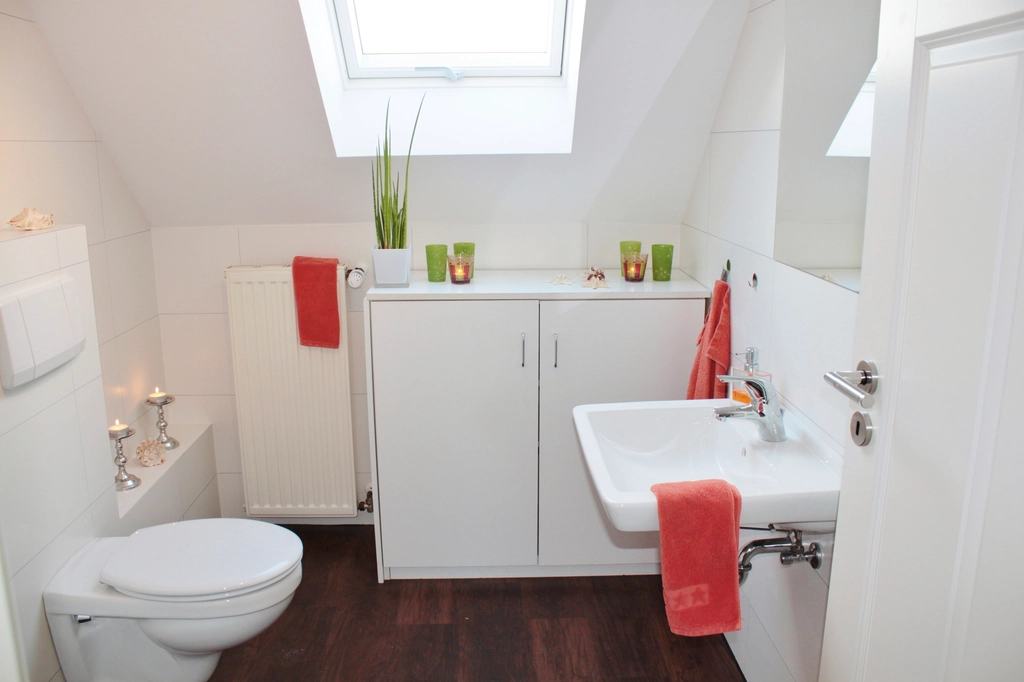
Most raised toilet seats get returned for one of two reasons: it didn’t fit the toilet, or it was the wrong height. Both are avoidable in about five minutes with a tape measure.
The problem is that almost nobody measures. People eyeball the toilet, guess that 4 inches sounds about right, and order. Sometimes it works. Often it arrives too tall, or rocks on the bowl, and goes back in the box.
This guide gives you the exact method. Four measurements, what each one is for, and how to turn them into a confident order. No guesswork, no returns.
⚡ The four numbers you need
1. Current seat height — floor to the top of the closed seat.
2. Bowl length — seat bolt holes to the front rim (tells you round vs elongated).
3. Bowl width — widest point across.
4. Your target height — a chair you can stand up from easily.
Then: target minus current = the riser size you need. That’s the whole calculation.
What you need 🧰
- A tape measure — a rigid builder’s tape is easier than a fabric one, which sags.
- Something to write on. Four numbers is more than most people reliably remember.
- A firm dining chair. You’ll need it for the target height.
- Optional: a phone camera. Photograph the toilet from the side and above. Very useful if you later ask a supplier or occupational therapist whether something fits.
Riser sizes are almost always sold in inches, even in countries that otherwise use metric. Measure in inches from the start and you avoid a conversion error at the point where it matters most. If your tape is metric: 1 inch ≈ 2.54 cm, so a 3-inch riser is roughly 7.6 cm.
Measurement 1: current seat height 📏
This is the most important number, and the one people most often get subtly wrong.
- Close the seat — lid up, seat down. You are measuring the surface someone actually sits on.
- Stand the tape on the floor beside the toilet, right against the base.
- Measure straight up to the top surface of the seat. Keep the tape vertical — leaning it gives a reading that is too long.
- Write it down. Most older toilets read 14–15 inches. Newer ones are often 16–17.
Product listings sometimes quote bowl height — the porcelain rim with no seat on it. A seat adds roughly half an inch to an inch. If you measure your bowl rim and compare it against a listing quoting seat height, you will be out by about an inch. Always measure with the seat down.
If your floor is uneven or has a thick mat, measure from the hard floor surface — the mat is not part of the toilet, and it may not always be there.
Measurement 2: bowl length 📐
This tells you whether your toilet is round or elongated — and that decides whether a given seat will sit properly or rock.
- Lift the seat so you can see the two bolts holding it to the bowl at the back.
- Find the midpoint between those two bolts. That is your starting point.
- Measure forward along the center of the bowl to the outside front edge of the porcelain.
- Read the result against the table below.
| Your measurement | Bowl shape | What to buy |
|---|---|---|
| About 16–17 in | Round | A seat marked “round” or “universal” |
| About 18–19 in | Elongated | A seat marked “elongated” or “universal” |
| Under 15 in | Compact / short projection | Check the listing’s minimum — many won’t fit |
| Over 20 in | Extended / unusual | Check the listing’s maximum carefully |
Many raised seats are sold as universal and genuinely do span both common shapes. But “universal” is a marketing word, not a standard — always check the stated fit range in inches rather than trusting the label.
Measurement 3: bowl width 📊
Less critical than length, but it catches the toilets that defeat a clamp bracket.
Measure straight across the bowl at its widest point, outside edge to outside edge. Most conventional bowls land around 14 to 15 inches.
Why it matters: a clamp-on seat grips the underside of the rim. If your bowl is unusually wide, unusually narrow, or has a skirted side that hides the underside of the rim entirely, a standard bracket may not reach or may not have anything to grip. Knowing the number lets you check a listing’s fit range properly instead of hoping.
Run your hand under the rim at the sides. Can you feel a clear lip the bracket could grip? On a skirted or wall-hung pan there may be nothing there. If the underside is enclosed, a clamp-on seat will not work and you want a bolt-on riser or an over-toilet frame instead.
Measurement 4: your target height 🪑
Here is the part almost every guide skips, and it is the one that decides whether the seat actually helps.
Your ideal toilet height depends on leg length, not overall height. Two people of the same height can need different seats. So rather than guessing, borrow a number from furniture you already know works.
- Try several firm seats. Dining chairs, a desk chair, the edge of a bed. Avoid soft sofas — they compress and give a false reading.
- Find the easiest one. Which can you stand up from with the least effort and no hand push-off? That one.
- Check the feet. Sitting on it, are both feet flat on the floor with knees level with the hips or just slightly lower? If your toes are stretching down, that chair is too tall for you — pick another.
- Measure it. Floor to the top of the seat at the front edge. For most people this lands between 17 and 19 inches.
- That is your target. Write it next to the other numbers.
A toilet should feel about as easy to leave as a dining chair. If it feels harder, it is too low. If your feet dangle, it is too high.
Doing the sum ➗
One subtraction:
Target height − current seat height = riser height needed
Example: your easy chair is 18 inches. Your toilet is 15 inches. 18 − 15 = 3 inches. You want a 3-inch riser.
Risers are commonly sold in 2, 3, 4, 5 and 6 inch heights. Your answer will not always land exactly on one. Here is how to handle that.
| Your answer | Buy | Why |
|---|---|---|
| 1 inch or less | Probably nothing | Height isn’t your problem. Look at support instead. |
| 1.5–2.5 in | 2 inch | Small lift, keeps feet firmly on the floor |
| 2.5–3.5 in | 3 inch | The most commonly needed size |
| 3.5–4.5 in | 4 inch | Standard for a 14-inch toilet and an 18-inch target |
| 4.5–5.5 in | 5 inch | Usually post-surgery or for taller users |
| Over 5.5 in | 5 inch + footstool | Above ~20 in most people’s feet leave the floor |
A seat one inch too low is a minor inconvenience. A seat one inch too high can lift the feet off the floor, and that removes the base the person pushes from. Round down and add a small non-slip footstool if you want the extra height without losing the foot contact.
Test it before you buy 🧪
You can simulate the new height for free, and it takes two minutes.
- Stack firm cushions on the closed toilet seat to roughly the riser height you calculated. Folded towels work too — anything that does not squash flat.
- Sit down and stand up a few times, with someone nearby.
- Ask two questions. Is standing genuinely easier? Are both feet still flat on the floor?
If the answer to both is yes, order that size with confidence. If standing is easier but the feet now dangle, drop a size and plan for a footstool. If standing is not easier even at the right height, the problem is probably balance or arm strength rather than height — and a raised seat alone will disappoint.
Raised Toilet Seat with Padded Arms
Order the height your measurements gave you — and get the arms while you’re there.
With your four numbers in hand you can order confidently. Choose the riser height from the calculation, match the bowl shape from measurement 2, and get a model with armrests unless balance and leg strength are both genuinely fine.
- Heights
- 2–5 inches
- Install
- Tool-free clamp
- Arms
- Padded, removable
- Fits
- Round & elongated
- Check the stated fit range against your bowl length before ordering
- Arms give leverage that height alone cannot
- Keep the packaging until you’ve fitted and tested it
- Test it empty first — push and rock it hard before anyone sits
📏 Match the riser height to your calculation, not to the biggest size available. As an Amazon Associate we may earn from qualifying purchases at no extra cost to you.
Round down and add a small non-slip footstool. It restores the foot contact you’d otherwise lose, helps with bowel-movement posture, and costs under $20. Plenty of people end up preferring this setup to a taller seat.
Awkward toilets 🧩
Some toilets do not play nicely with standard risers. Here’s how to spot them at the measuring stage rather than after delivery.
🧱 Wall-hung pans
Often no rim to clamp. Height is set by the frame in the wall. Usually needs a bolt-on riser or an over-toilet frame instead.
🎩 Skirted one-piece
Smooth sides hide the rim underside. Feel underneath — if there’s no lip, a clamp has nothing to grip.
⬛ Square or D-shaped
Designer shapes vary hugely. Measure length and width, and check the listing’s exact fit range rather than trusting “universal”.
📦 Compact / short projection
Under about 15 inches long. Common in small cloakrooms. Many risers overhang the front — check the minimum stated.
🚿 Bidet seat already fitted
Usually incompatible. You generally can’t stack a riser on a bidet seat. Consider a taller toilet or a bidet with a built-in higher profile.
🔧 Non-standard bolt spacing
Affects bolt-on risers. Standard spacing is about 5.5 inches between seat bolts. Measure yours before buying a bolt-through model.
Measuring mistakes (with fixes) 🔍
Gives a reading about an inch too low, so you order a riser one size too tall.
The fix: seat down, lid up. Measure the surface someone actually sits on.
People measure the toilet, then guess the riser. That’s half the method, and it’s the half that decides whether it helps.
The fix: spend two minutes finding the chair you stand up from most easily, and measure that.
Wall-to-front-rim includes the tank and tells you nothing about seat fit. Listings quote bolt-to-rim.
The fix: start at the midpoint between the two seat bolts, not the wall.
A thick mat can add half an inch, and it may be moved or removed later.
The fix: measure from the hard floor. Pull the mat aside first.
Universal is a marketing term with no standard behind it. Some universal seats genuinely fit almost everything; some don’t.
The fix: find the stated fit range in inches on the listing and compare it against your measurement 2.
The instinct is that taller is safer. It isn’t, once the feet leave the floor.
The fix: round down, then add a footstool if you want the extra height without losing foot contact.
Pro tips from OTs and fitters 💡
- Measure with the person present, not from memory. The target height depends on their legs, and guessing on their behalf is where most sizing errors start.
- Take the photos anyway. A side-on and a top-down shot of the toilet costs nothing and saves a lot of describing if you later ask a supplier, therapist or contractor whether something fits.
- Measure twice, a day apart. Joint pain and stiffness vary. Someone who finds an 18-inch chair easy in the afternoon may struggle at 7am. If in doubt, size for the harder time of day.
- Write the numbers on masking tape and stick it inside the bathroom cabinet. When the seat eventually needs replacing — and it will — you won’t have to measure again.
- Check the toilet is level before you trust the height reading. An old toilet on a settled floor can sit a little off, and a raised seat will exaggerate any tilt rather than correct it.
- If two people share the bathroom, measure both target heights. If they differ by more than about two inches, plan for a quick-release model rather than a compromise height that suits neither.
- Buy the footstool at the same time. Under $20, and it rescues the setup if you land between riser sizes or the height turns out slightly generous.
What this looks like in real life 🏡
“The seat overhung the front of the bowl”
A compact cloakroom toilet, about 14 inches from bolts to rim, with a riser sized for a standard elongated bowl. It sat on, but projected forward and tipped slightly when weight went on the front edge. Measurement 2 would have caught it in thirty seconds. Short-projection toilets are common in downstairs loos and are the shape most often missed.
“We measured the toilet but not the person”
A family measured carefully, found a 15-inch toilet, and bought a 5-inch riser to reach 20 inches — reasoning that more height meant more help. Their mother is 5’1″. Her feet no longer reached the floor and she felt less secure than before. Swapping to a 3-inch riser and adding a footstool solved it. The toilet measurement was right; the target measurement was never taken.
“The cushion test saved us a return”
Before ordering, one reader stacked folded towels to about four inches and had their father try it for a day. Standing was easier — but his feet were only just touching. They ordered three inches instead. That two-minute test is the closest thing to a guarantee in this category.
Frequently asked questions ❓
How do I measure my toilet for a raised seat?
Take four measurements: the current seat height (floor to the top of the closed seat), the bowl length (midpoint between the seat bolts to the front rim), the bowl width at its widest point, and your target height (a firm chair you can stand up from easily). Subtract the current seat height from the target height — that difference is the riser size you need.
How do I know if my toilet is round or elongated?
Measure from the midpoint between the two seat bolts at the back to the front edge of the bowl. Roughly 16 to 17 inches means a round bowl; roughly 18 to 19 inches means elongated. Anything under 15 or over 20 inches is unusual, and you should check a listing’s stated fit range especially carefully.
What if my measurement falls between riser sizes?
Round down, not up. A seat slightly too low is a minor inconvenience; a seat slightly too high can lift the feet off the floor, which removes the base the person pushes from and makes them less stable. If you want the extra height anyway, buy the smaller riser and add a small non-slip footstool.
Do I need to measure the toilet width?
It’s the least critical of the four, but worth doing. It catches unusually wide or narrow bowls, and prompts you to check whether there is a clear lip under the rim for a clamp to grip. On skirted or wall-hung pans there often isn’t — in which case you need a bolt-on riser or an over-toilet frame instead.
Can I test the height before buying?
Yes, and you should. Stack firm cushions or folded towels on the closed seat to roughly your calculated riser height, then sit and stand a few times with someone nearby. If standing is easier and both feet stay flat on the floor, order that size. It costs nothing and prevents most returns.
What’s the standard distance between toilet seat bolts?
About 5.5 inches on most conventional toilets. This only matters if you’re buying a bolt-on riser that goes through the existing seat holes — clamp-on models don’t use the bolts at all. If yours is non-standard, measure center to center and check it against the listing.
Measurement record sheet ✅
Write these down before you order
- Current seat height (floor to top of closed seat): ______ in
- Bowl length (seat bolts to front rim): ______ in → round / elongated
- Bowl width at widest point: ______ in
- Is there a clear lip under the rim to clamp onto? yes / no
- Target height (easiest chair in the house): ______ in
- Riser needed (target − current): ______ in
- Rounded to a sold size: ______ in
- Cushion test done, feet still flat? yes / no
- Listing’s stated fit range checked against bowl length? yes / no
- Arms needed? yes / no
The bottom line
Four measurements, one subtraction, one cushion test. That is the entire method, and it takes about five minutes.
The two that matter most are the ones people skip: bowl length, which decides whether it fits at all, and target height, which decides whether it actually helps. Measure those and you will almost certainly order the right seat first time.
Keep reading: Raised Toilet Seats: The Complete Buying Guide · Toilet Height for Seniors · Handicap Toilets: The Complete Guide · Do Raised Toilet Seats Fit All Toilets? · Toilet Height Calculator · 3-Inch vs 5-Inch Raised Toilet Seat · Handicap Toilet Height Explained · How to Make a Toilet Taller
This guide is general information, not medical advice. If you are recovering from surgery or managing a specific condition, follow the guidance of your surgeon, physiotherapist or occupational therapist.